

ToyTrend 2026 Creative Mindfulness
Designing, downshifting, developing
By Gabriela Kaiser
In a world that seems to be getting ever faster, increasingly digital, and more “ready-made”, there’s a growing need for genuine creativity. Creative activities can create moments of calm, promote mindfulness, and open up new possibilities – from playful flow experiences to boosting self-confidence and problem-solving skills.
In psychology, creativity is synonymous with self-efficacy and problem solving. Crafters feel that their own ideas count and have an impact as the crafting process broadens their horizons, boosts their resilience, and reinforces their confidence in their own creative abilities. This is why creativity is seen a key skill for the future. In a world full of digital distractions, ready-made content, and interchangeable products, it takes on a whole new meaning. Creative mindfulness puts the creative process at the centre. It’s not the perfect result that counts, but the act itself: entering into a state of flow, where time is irrelevant and small moments of happiness occur. This state can be experienced in creative activities like drawing, doodling, sewing or knitting. Those who work with their hands feel a sense of immediacy, sensuality and uniqueness that contrasts with the fast pace, randomness and virtuality of everyday life.
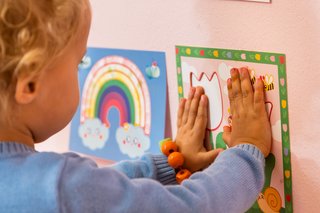
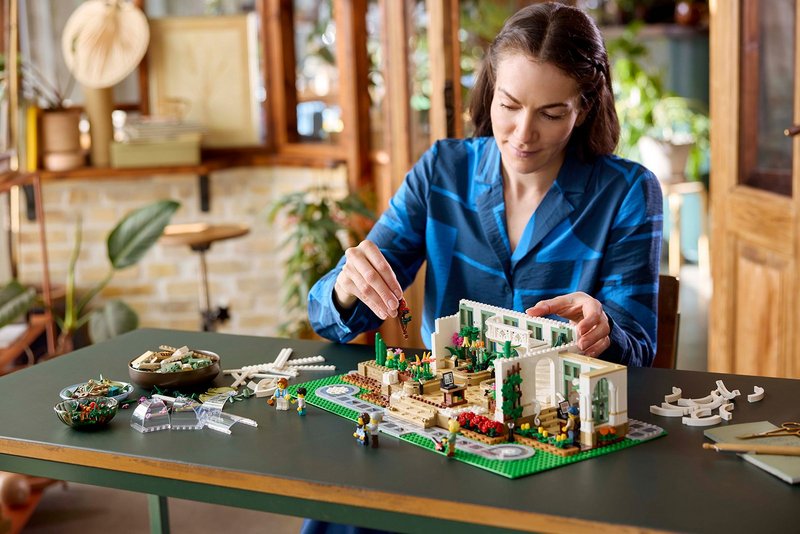
These days, more and more people are looking for that “feel like an artist” moment, and it starts in childhood. Young children are inherently creative, and this ability is an essential part of their development, as it allows them to explore and understand the world through play. It often starts with a mere pencil, but drawing is just one of many forms of expression. Crocheting, embroidery, pottery and diamond painting are also creative outlets. The spectrum ranges from rediscovered crafting techniques such as knotting cushions and carpets to creative upcycling via traditional linocut prints. They appeal to children, young people and adults who are seeking creative havens of tranquillity in their everyday lives. DIY kits and complete sets lower the barriers to entry because they contain everything needed to get started, opening the door to new hobbies. Products with dual functions are particularly exciting, as they can first be customised and then used, played with or worn. This blends the experience of making things with their later use – added value that inspires young and old alike.
For the toy industry, this means not only thinking of products as toys or tools, but as platforms for expression and development. Manufacturers could plan for creativity right from the start: for example, through customisable surfaces and blanks as well as individually adaptable elements. Retailers can bring creativity to life at the point of sale with quick try-outs, demo stations and even workshops. Those who focus on “creative mindfulness” don’t just provide a range of goods, but moments of calm, relaxation and self-discovery – and build relationships that last far beyond the initial purchase.
What will drive the toy industry in the coming year? Discover the Toy Trends of the upcoming Spielwarenmesse now.
You can find the right products from January 27-31, 2026, at the entrance to the middle of the Nuremberg exhibition center.
About the author
As a trend scout, Gabriela Kaiser tracks down the latest trends in design and lifestyle worldwide, including in the toy world as a member of the TrendCommittee since 2014. At the Spielwarenmesse 2020, she took a close look at lifestyle products for the first time and summarized them in an innovation report. The impulse generator and idea developer writes for various trade journals and advises industry and retail on upcoming trends. After studying textile technology with a focus on design, Kaiser worked as a designer and has been the owner of TRENDagentur since 2002.