

Kidults love to play with character toys
Commentary by Katriina Heljakka
The lines between childhood and adulthood are increasingly blurring, especially when it comes to play. Character toys, once seen as a nostalgic indulgence, are now meaningful companions in everyday adult life.
Why are more adults playing
Today’s adults are not merely revisiting childhood memories for nostalgia—they’re actively integrating toys into their lifestyle, identity, creative expression, and play. From minimalist Miffy or Hello Kitty plush to mischievous Labubu figures and collectible Funko Pop!, character toys are no longer confined to children’s bedrooms. They now appear on designer shelves, work desks, and Instagram feeds as aesthetic objects, emotional anchors, and tools for storytelling. This development marks a cultural shift in how we understand play, pleasure, and personal meaning-making.
The dimensions of the toy experience
What makes toys so enduring in adult life? According to my explorations in toy cultures, adult engagement with toys unfolds across six dimensions: physical, functional, fictional, affective, temporal, and social.
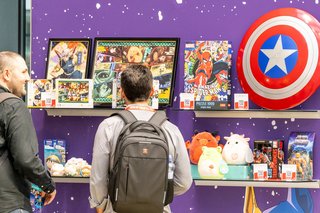
Physically, toys invite tactile interaction — their shape, weight, and material invite touch, arrangement, and display. Functionally, toys offer more than decoration: they’re used in photoplay—or toy photography, interior styling, or even as companions to have silent dialogues with.
The fictional dimension brings narrative to the forefront. Each toy carries with it a potential world, a personality, or a backstory that invites world-building and imaginative play. These objects don’t sit still — they spark stories through toyrism—adventuring as toy tourists exploring destinations nearby and far away.
Affective and temporal dimensions speak to emotional connection and the passage of time. Many toys accompany adults through life transitions or become markers of specific moments. Meanwhile, the social dimension unfolds online and in communities, where toys are part of shared storytelling, fandom, and collector cultures.
Collecting, Customisation and Creative Storytelling
For many kidults, collecting is not just about ownership — it’s a form of self-expression. Character toy collections often reflect themes, aesthetics, or values. Arranged on shelves, featured in home décor, or captured in photo series, these toys form visual diaries of personal taste and memory.
Customization deepens this relationship. Repainting, re-clothing, or even sculpting toys allows adult players to transform mass-produced objects into personal artworks. It’s a form of identity expression—and an act of sustainability—that prolongs toy life cycles and resists disposable culture.
Beyond collecting lies a vibrant space of creative storytelling. Adults write, photograph, or film dramas featuring their toys, often blending humor, emotion, and visual craft. These worlds are not about childlike fantasies — they’re sophisticated stories in which toys become characters inhabiting stylized, curated worlds.
Toy Dramas und Photoplay
A key expression of this storytelling is photoplay, the practice of staging and photographing toys to tell visual stories that take form as toy or doll dramas. Popular on social media, photoplay allows adult players to share their creative worlds with others, receive feedback, build community, and hone their storytelling skills.
Three key features shape photoplay

Through photoplay, toys are not just collected — they fulfill functions in an image-driven society. They become vehicles for storytelling, identity exploration, and shared creativity.
Portability: Toys' small size makes them ideal for travel and everyday life—they can be brought outdoors, to social gatherings, on holidays, and easily integrated into home displays.
Poseability: Articulated limbs and movable parts allow toys to express mood and gesture, bringing them closer to lifelike expression.
Photogeneity: Toys that photograph well — with expressive faces, eye-catching design, and strong visual presence — hold higher play value.
Toy Activism: When Play Becomes Protest
Beyond personal and artistic use, character toys are increasingly used for activism. In a growing number of public and online settings, adults employ toys as symbolic tools to speak out on political and ethical issues.
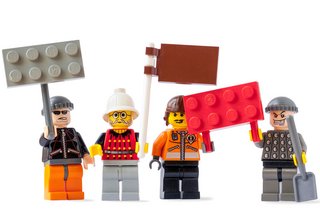
Known as toy activism, this practice uses toys' disarming appearance to critique subjects like warfare, consumerism, gender norms, and environmental injustice. Restyled dolls, action figures, and plush animals in protest scenes or toy-based installations challenge viewers to see complex issues through a softer yet striking lens.
Campaigns have featured toys advocating for gender diversity, animal rights, and anti-racism, showing that even the most playful objects can carry powerful messages. In creative circles, toy activism reflects a broader cultural interest in empathetic design, symbolic protest, and aesthetic resistance.
The Future of Character Toys
Looking forward, character toys are evolving rapidly at the intersection of design, technology, lifestyle, and digital culture. Social media will continue to shape what toys look like, how they’re played with, and how they are shared.
Two major emerging trends are leading the development:
Viral Toys are toys that gain rapid popularity online through their visual charm, emotional appeal, and shareability. Contemporary toys like Labubu thrive not because of mass advertising, but because they resonate with adult collectors across digital platforms, becoming cultural artefacts of their time.
AIToys are next wave introduces AI-powered toys that respond to users in real time. These AIToys use machine learning, robotics, and natural language processing to evolve and adapt, offering interactive, emotionally intelligent play experiences. No longer static, toys of the future are fast becoming companions — responsive, perceptive, and deeply personalized.
As technology blends with tradition and emotional engagement remains central, the future of character toys looks not just playful but profoundly human.
Toy play is here to stay
What today’s kidults know intuitively — and what the toy industry is beginning to embrace — is that play is not a phase, but a life-long practice. Character toys allow adults to create, connect, reflect, and even resist. They are more than nostalgic objects; they are mirrors of our inner lives, miniature stages for big ideas, and shared symbols in a digital world.
As lifestyles shift and new generations redefine adulthood, one thing is clear: character toys are not going away — By staying with us, they enrich our lives and play.
About the author
Toy and play researcher Katriina Heljakka, Doctor of Arts (Ph.D.), studies toys and the visual, material, digital, and social cultures of play at the University of Turku. She has completed two doctoral degrees focusing on toy play and has published extensively on toy player cultures.