
The future of play has a past – and it’s Indian
Commentary by Suhasini Paul, Toy Design Expert, India
By Suhasini Paul
When we talk about the future of play, we often imagine cutting-edge robots, virtual reality and AI-powered toys that respond to a child’s every giggle. But to truly imagine what lies ahead, we must first look back - way back to a civilization that has been playing, innovating and storytelling for over 5,000 years. That civilization is India.
“The future of play doesn’t just lie in technology. Sometimes, it lies in the wisdom of the past.”
Suhasini Paul

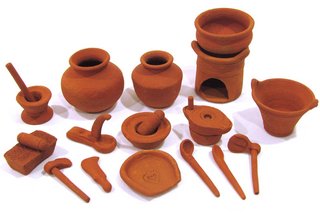
India’s toy story is as old as its civilization. It’s truly a remarkable journey from the terracotta animals of the Indus Valley Civilization to Channapatna’s wooden toys, which are handcrafted wooden toys from the Indian state of Karnataka. More than a plaything, each toy was a lesson in creativity, storytelling and sustainable craftsmanship. Archaeologists have discovered tiny terracotta carts, whistles shaped like birds, animal figurines with movable heads, miniature kitchen sets - all from the Indus Valley Civilization. These were not just toys, they taught children about farming, cooking, animals and society. They were play-based education long before the term even existed.
Crafted to play, designed to last – India’s Sustainable Toy Story
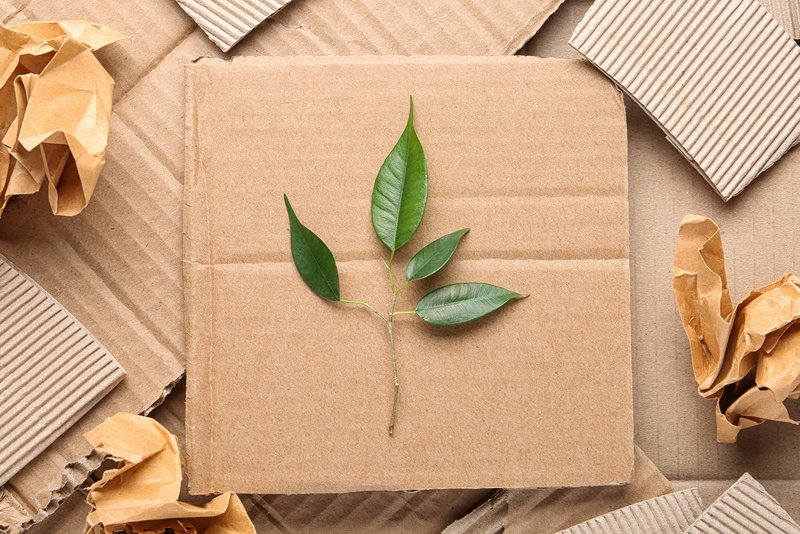
Long before “eco-friendly” became a global buzzword, Indian toys were inherently sustainable. They offer a blueprint for play that is joyful, safe and environmentally conscious making play both magical and responsible. Traditionally, Indian toys were made from what was locally available like clay, wood, cloth, palm leaves and bamboo. All biodegradable, coloured with vegetable dyes and hand-crafted with simple yet clever mechanics.
From spinning tops that twirled under Varanasi skies. The city in northern India is famous for culture and heritage to cloth dolls carrying the essence of home, each piece reflected festivals, folklore and everyday life. These toys were designed to spark imagination, teach culture and delight children.
Long before “eco-friendly” became a global buzzword, Indian toys were inherently sustainable. They offer a blueprint for play that is joyful, safe and environmentally conscious making play both magical and responsible. Traditionally, Indian toys were made from what was locally available like clay, wood, cloth, palm leaves and bamboo. All biodegradable, coloured with vegetable dyes and hand-crafted with simple yet clever mechanics.
From spinning tops that twirled under Varanasi skies. The city in northern India is famous for culture and heritage to cloth dolls carrying the essence of home, each piece reflected festivals, folklore and everyday life. These toys were designed to spark imagination, teach culture and delight children.
The science of play, hidden in tradition
Many people are surprised when I tell them that India has been using toys as tools for learning for centuries. Games like Pallanguzhi (a counting game played with shells or seeds) sharpened arithmetic skills. Chaupar (an ancestor of Ludo) taught strategy and probability. Gilli-Danda, a game similar to cricket, developed hand-eye coordination and teamwork.
Even the humble Kite Flying, high over Indian skies every January during the harvest festival Makar Sankranti - is a lesson in aerodynamics and wind patterns.
Play for everyone – the inclusive spirit

Another thing I deeply admire about Indian play culture is its inclusivity. Play was never limited to children. Festivals like Holi, the festival of colours,involve entire communities: children, parents, grandparents - all coming together to play. Rural fairs are full of traditional toys that are affordable for everyone.
It reminds us that, “Play doesn’t have to be exclusive - it can be for everyone, everywhere!”
When I design modern toys, I often revisit these traditional games. They remind me that play can be joyful, inclusive and skill-building at the same time.
From past to future: Designing he next chapter
Today, many of these traditions risk being overshadowed by mass-produced toys. Yet, they hold immense potential to inspire the future of play worldwide. With thoughtful design intervention, India’s heritage toys can be revived and reimagined to suit modern needs. Ergonomic grips, child-safety standards, and contemporary aesthetics can transform these age-old crafts into globally relevant play experiences. We carry this incredible legacy forward in following ways in my perspective, these are:
- Blending Tradition with Technology: Creating an AR toy that brings the ancient epic Ramayana stories or Panchatantra animal fables to life or a smart toy that uses AI but is inspired by Indian folk art which can be made accessible to children around the world.
- Keeping Play Sustainable: Bringing back local materials, biodegradable packaging and community-led toy production.
- Designing for Wonder: Every toy created should make a child say “WOW,” spark curiosity and maybe even teach something.
As a practicing toy designer for past two decades, I feel, “Design is not about replacing heritage, but about making it relevant today.” It ensures traditional crafts remain authentic while making them accessible to today’s children.
Why this matters for the world?
Globally, children today are more digitally connected than ever, but they are also lonelier, more stressed and less physically active. The toys of the future cannot just be distractions: they need to be tools for growth, creativity and emotional well-being.
India offers a blueprint for this. Our play culture is holistic: it engages the mind, body and soul. It is rooted in storytelling, connected to nature and designed to bring people together.
Platforms that amplify heritage
With rising exports, a focus on quality and safety, and government initiatives under Atmanirbhar Bharat (Self-Reliant India), India is positioning itself as a hub for innovative and sustainable toys. Events like Kids India - India’s leading international B2B toy fair in Mumbai - are becoming increasingly important. They connect manufacturers, artisans, designers, and global buyers, bringing innovation and opportunity to local craftspeople while allowing heritage toys to step out of small workshops and enter international markets. Indian participation at Spielwarenmesse in Germany, the world’s largest toy fair, further showcases how Indian toy designers and manufacturers are engaging with global audiences. Together, these platforms reflect the growing confidence and global relevance of Indian toy companies, bridging traditional craft with modern design and innovation and making Indian toys visible, viable, scalable, and accessible worldwide.
A call to play
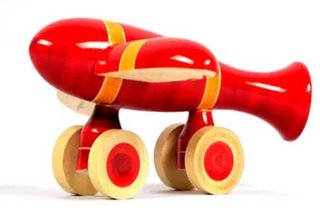
The future of play is not just about toys — it’s about reimagining childhood. It’s about giving children experiences that will shape who they become. And for that, we must look at cultures that have been nurturing children for millennia. India is one such culture. Its toys whisper to us across centuries: “Play with meaning. Play with joy. Play with respect for nature.”
At a time when parents everywhere are seeking toys that are safe, ethical and enriching, India’s heritage offers exactly that. By combining craft legacy with modern design thinking, India is all set to uplift its traditional toys onto the global stage and set a new benchmark for eco-conscious play. As a designer and a part of this lineage, I invite the world to join me in bringing this wisdom back into our lives. Because the future of play doesn’t only lie in technology or mass production. Sometimes, it lies in the wisdom of the past. And in that sense, the future of play truly has a past - and it’s proudly Indian, rooted in its “Wisdom of Play”.
Browse yourself the vast offer of genious Indian toy craftmanship and manufacturers. Or expand your business to India's growing toy market. Kids India can help you do just that. Learn about the market and its key players at the trade fair in Mumbai. Make important contacts there from 06 – 08 October 2025!
About the author
Suhasini Paul, Eminent Indian Toy Designer, is TEDx Speaker and alumna of the prestigious National Institute of Design (NID) in Ahmedabad. She created over 400+ toy designs, including iconic Kinder Joy toys. As recipient of the Designpreneur award from Prime Minister Shri Narendra Modi, she designs toys and advises global brands across more than eight countries. Furthermore, she is champions learning through play worldwide as A PLAY AMBASSADOR for The Genius of Play (NY), as speaker at Moscow Interior & Design Week and as a member of the National Committee on Design & Innovation (2025–26) of the Confederation of Indian Industry (CII), which is one of India’s leading industry associations.