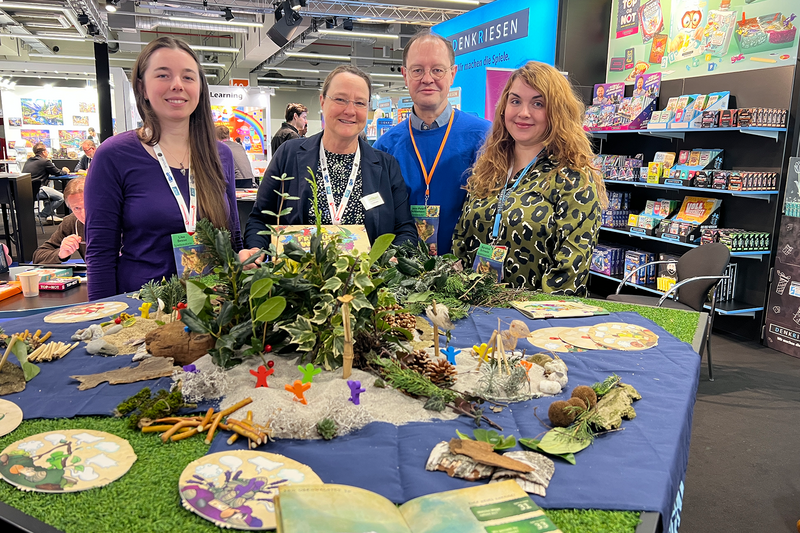
Beyond Limits: Discovering Skills Through Play
These products benefit people of all ages
By Stefanie Jäger / Pavlo Kosobutskyi
Whether it’s children with ADHD, adolescents with motor challenges, adults recovering from an accident, or seniors who want to maintain their mobility: People of all ages may need very different kinds of support in their daily lives.
Limitations can be temporary or permanent and affect very different areas of life. After an accident, for example, movement patterns must be relearned. An illness can impair fine motor skills, and people with disabilities may need products that are better tailored to their individual needs. The ToyTrend Beyond Limits showcase demonstrates how play and playful activities can help people rediscover and train their abilities while developing confidence in their own capabilities.
The focus is on playful activities that combine development and rehabilitation. Movement, perception, concentration, and creativity play just as important a role as the joy of doing things together. The products encourage children to repeat movements, sharpen their perception, or train their concentration and coordination in a playful way. At the same time, the most important aspect remains: it should feel more like play than a chore.
The following product examples illustrate how development and play come together:
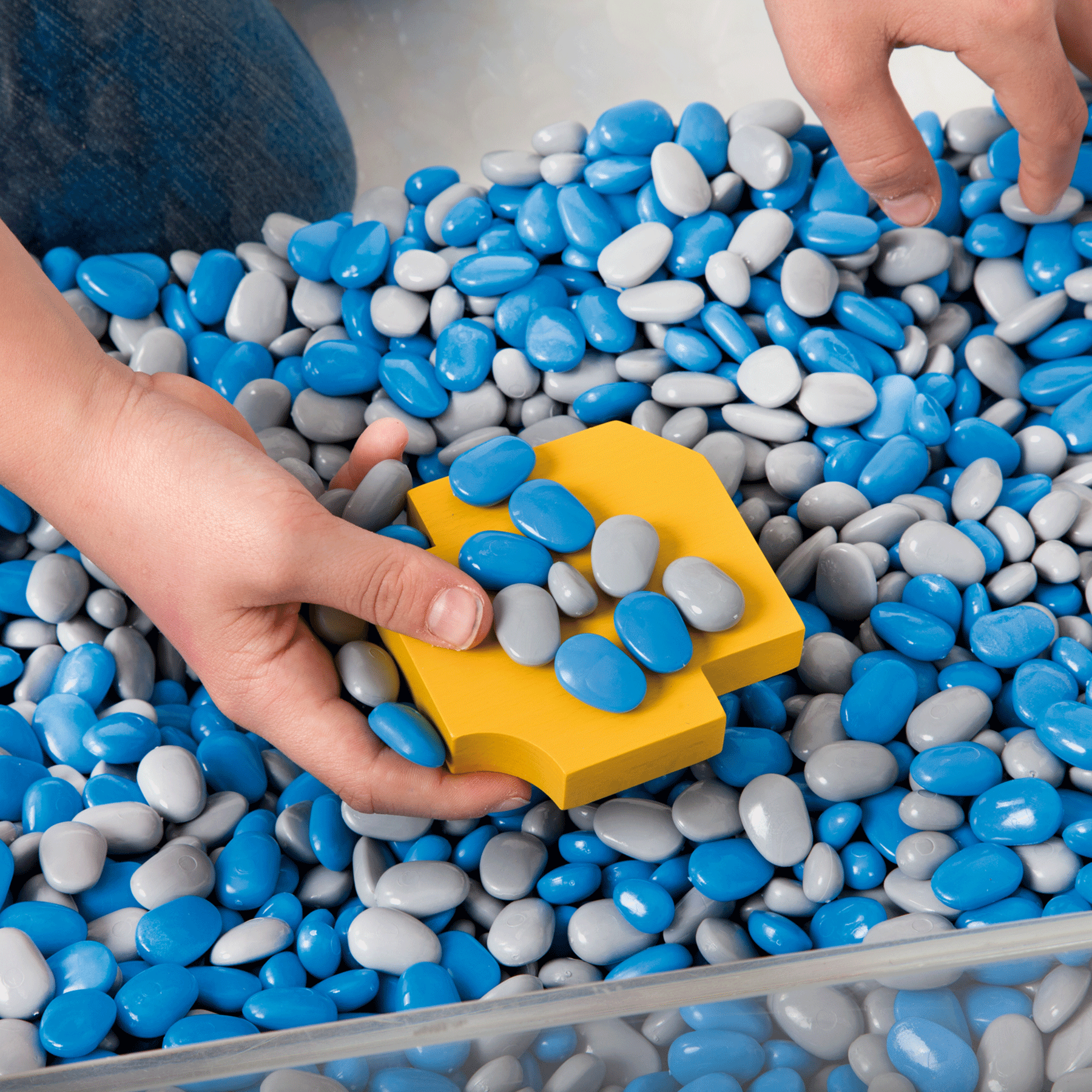
Small beans, big impact: TheraBeans by Jakobs are an effective training tool for the muscles of the feet and lower legs, as well as the hands and forearms. Moving the beans creates continuous resistance that supports a variety of movement patterns and provides sensorimotor feedback. The product’s playful applications make it particularly versatile. For example, small objects, marbles, or puzzle pieces can be hidden inside the beans and then felt and retrieved. Creating patterns or moving individual beans in a targeted manner also opens up further opportunities to playfully engage perception, coordination, and fine motor skills. This allows the training to be continually adapted to develop different skills.
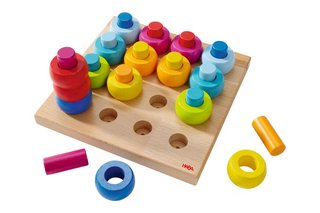
The HABA “Color Rings” building set shows that educational development can be achieved even with a simple and familiar play concept. On the sturdy beechwood base, 16 colored pegs and an equal number of rings can be combined in various ways. Inserting, sorting, and arranging the pieces help develop a variety of skills. Children can recognize and match colors, create patterns, and begin to distinguish between quantities. At the same time, the movements involved in grasping and inserting the pieces help develop hand-eye coordination and fine motor skills. The many possible combinations in this building set inspire a wide range of play ideas.
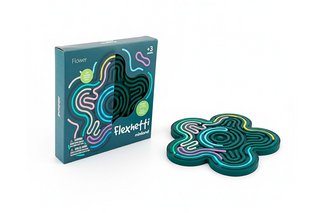
The “Flexhetti” sensory activity board from Miniland Mind&Move invites children to explore a variety of tactile experiences and practice fine motor skills through play. A variety of surfaces and winding paths encourage children to touch, trace, and experiment. This engages tactile perception, fine motor skills, and attention. The activity board is suitable for children, teens, and adults and can be used in everyday life as well as in educational or therapeutic settings. The repetitive hand movements can help reduce tension and support self-regulation.
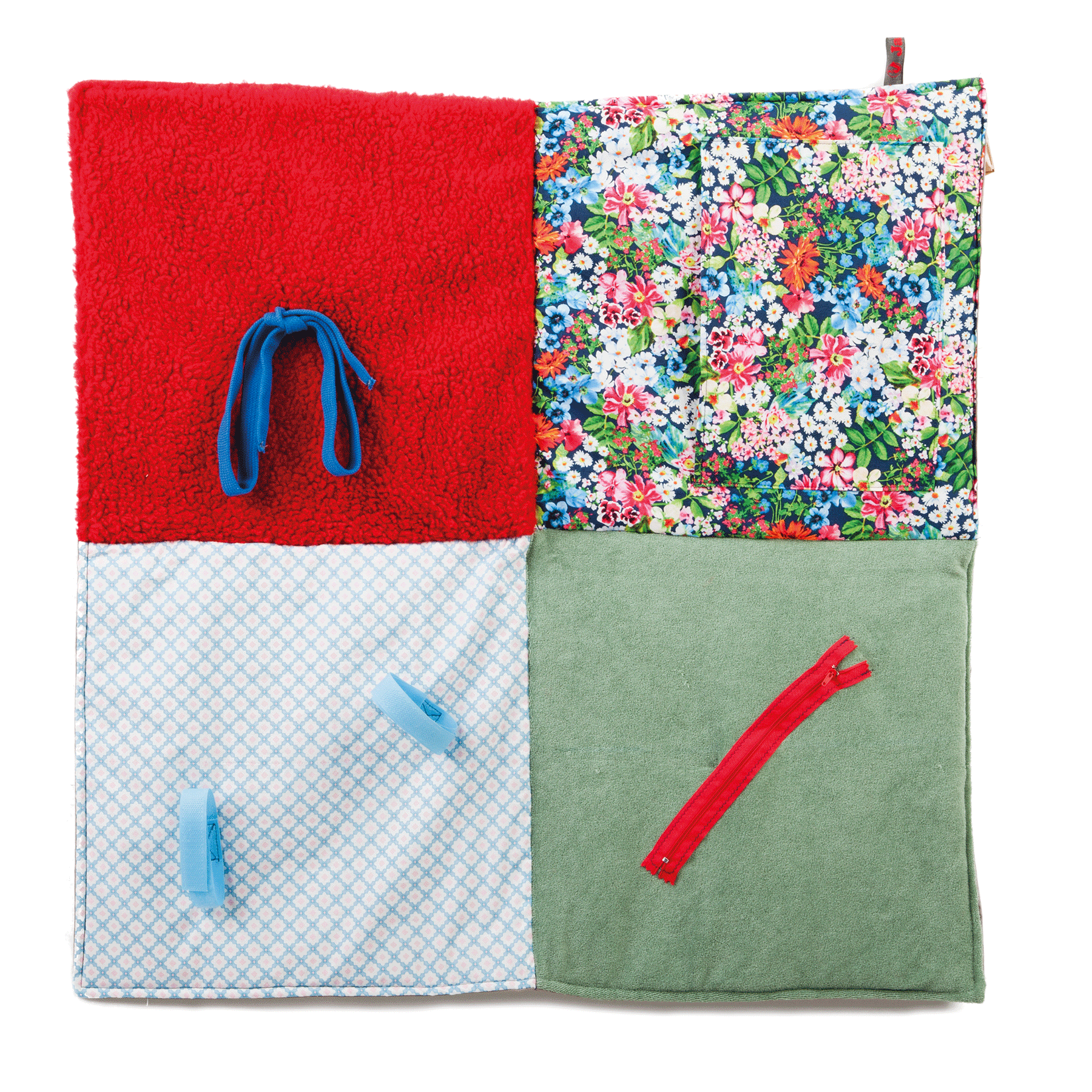
The “Lotta” sensory blanket by Jakobs was developed specifically for people with dementia and, thanks to its design, is also suitable for children ages three and up. Different fabrics, patterns, and textures stimulate the senses of touch and sight, while zippers, ribbons, and Velcro fasteners invite children to touch, open, close, and explore. Personal items can be attached to the Velcro strips, evoking familiar memories and fostering a sense of security and comfort.
In addition to supporting people with dementia, sensory blankets are also used for other neurological or motor impairments, such as Parkinson’s disease or multiple sclerosis. The elements encourage grasping and touching and allow users to make meaningful use of their existing fine motor skills. This calm and varied activity caters to very individual needs.
What will drive the toy industry in the coming year? Discover the ToyTrends that will boost your sales now. You’ll find the right products to boost your sales February 2–6, 2027, at the Spielwarenmesse in the Central Entrance of the Nuremberg Exhibition Center.
About the Authors
Stefanie Jäger works as a Senior Marketing & Content Manager at Spielwarenmesse Group. Together with the international TrendCommittee, she identifies the hottest trends in the toy industry. She then collaborates with the project management team to showcase these trends in a Special Area. For over 15 years, she has been at the forefront of the industry for the Toy Business Forum, working alongside key players from the toy industry, retail, and marketing.
Pavlo Kosobutskyi works in the marketing department at Spielwarenmesse Group while studying business administration at Nuremberg Tech. He has thoroughly familiarized himself with the ToyTrends 2027 “Beyond Limits” and “License to Play” initiatives and is preparing media content for them in preparation for the Spielwarenmesse.